
.png&width=640&format=webp)

District energy pump solutions
Water pumps designed for reliable and energy efficient operation in district heating and cooling networks.
Pump function in district energy system
In district heating and district cooling systems, water pumps are a critical part of the energy distribution infrastructure. They ensure stable flow and pressure across large networks, allowing heat and cooling to be transported efficiently between production plants, pump stations, and end users.
District heating pumps and district cooling pumps operate under demanding conditions, including continuous duty cycles, high pressures, and significant temperature variations. To maintain reliable operation, pumps must be designed for long term performance and low energy consumption, as inefficiencies directly affect overall system efficiency.
Well engineered cooling system pumps contribute to balanced flow and reduced energy loss across the network. By supporting energy efficient water pumps in the distribution system, district energy operators can achieve stable operation, lower operating costs, and improved lifecycle performance.
.jpg&width=640&format=webp)
Application in district heating and cooling networks
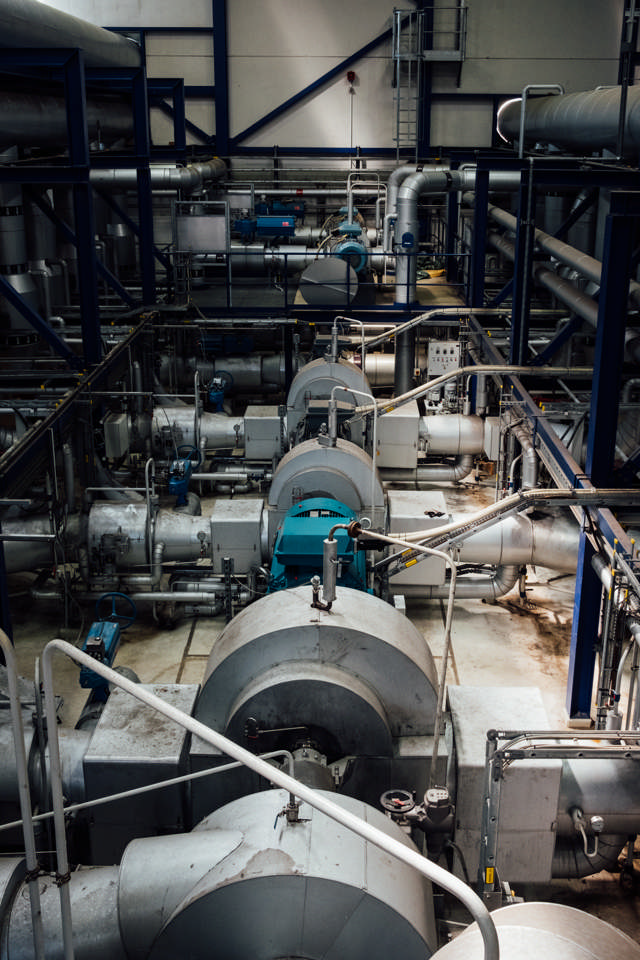
District energy systems are used to distribute heating and cooling across urban and industrial areas through extensive pipe networks. Pumps are installed in production plants, pump stations, and distribution points, where they ensure continuous circulation and stable operation under varying load conditions.
In district heating networks, pumps support the transport of hot water from central heat sources to residential, commercial, and public buildings. In district cooling applications, pumps enable efficient cooling distribution to buildings with high and fluctuating cooling demands, such as offices, hospitals, data centers, and mixed use developments. In these systems, selecting the right pump solution early in the project phase is essential to ensure stable operation and long term efficiency.
Across both applications, operating environments are characterised by continuous operation, seasonal load variations, and high reliability requirements. Pumps must perform consistently in large scale systems where downtime can affect multiple end users. As a result, energy efficient water pumps play a key role in maintaining stable service, optimising operating conditions, and supporting long term system performance.
Products
.jpg&width=640&format=webp)
.jpg&width=640&format=webp)
.jpg&width=640&format=webp)
.png&width=640&format=webp)
.png&width=640&format=webp)
Relevant cases

Frequently asked questions
A district heating system distributes hot water from central heat sources through a network of pipes to residential, commercial, and public buildings. Pumps play a critical role in maintaining flow and pressure across the network.
Pumps ensure continuous circulation and stable operation in both district heating and district cooling systems. They enable efficient distribution across large scale networks connecting production plants, pump stations, and end users.
In large district energy networks, pump efficiency directly affects energy consumption and operating costs. Energy efficient water pumps help reduce losses and support long term system performance.
District cooling uses similar distribution principles but operates with different temperature profiles and often more fluctuating demand. Pumps must support reliable cooling distribution under varying load conditions.
Get in touch today
Need help? Our team is ready to assist you.
Get in touch today and we’ll connect you with the right specialist